
Queens Construction Accident Lawyer
Construction work in Queens can expose workers to scaffold failures, ladder falls, falling objects, heavy equipment, unsafe roadwork, demolition hazards, and dangerous jobsite conditions.
From Long Island City high-rises and airport-related projects to roadway, warehouse, and infrastructure work, evidence can disappear quickly after a serious accident.
Free Case Review
Tell us what happened. Our attorneys review serious construction injury cases at no cost.
Injured on a Queens Construction Site?
Construction workers throughout Queens may face dangerous conditions on high-rise developments, airport-related projects, roadway and bridge work, warehouse construction, industrial sites, commercial renovations, demolition projects, and residential developments.
These hazards can arise in Long Island City, Astoria, Flushing, Jamaica, Elmhurst, Sunnyside, Maspeth, College Point, and other Queens neighborhoods where construction activity continues to expand.
Workers’ compensation may provide medical and wage benefits, but it may not be the only source of recovery. Depending on how the accident occurred, an injured worker may also have a third-party claim against a property owner, general contractor, construction manager, equipment company, or another responsible entity.
Berkowitz & Weitz Law represents injured workers in broader New York construction accident claims involving multiple defendants, project contracts, safety records, and insurance carriers.

Legal Protections for Queens Construction Workers
Depending on the facts, a construction accident claim may involve New York Labor Law §§200, 240, or 241, workers’ compensation, negligence, defective equipment, or other legal theories.
- New York Labor Law §240 may apply to certain elevation-related accidents involving scaffolds, ladders, roofs, platforms, hoists, and falling objects.
- New York Labor Law §241(6) may apply when a specific Industrial Code regulation was violated and contributed to a construction, demolition, or excavation accident.
- Labor Law §200 and ordinary negligence principles may apply when an unsafe condition or the means and methods of the work caused the injury.
Some accidents may support claims under more than one law. The correct analysis depends on the work being performed, the hazard involved, the parties, and what caused the accident.
Queens Construction Accident Claims We Handle
Our firm handles serious construction injury claims involving unsafe worksites, elevation hazards, heavy equipment, falling materials, defective tools, roadway construction, and violations of New York safety laws.

Scaffold Accidents
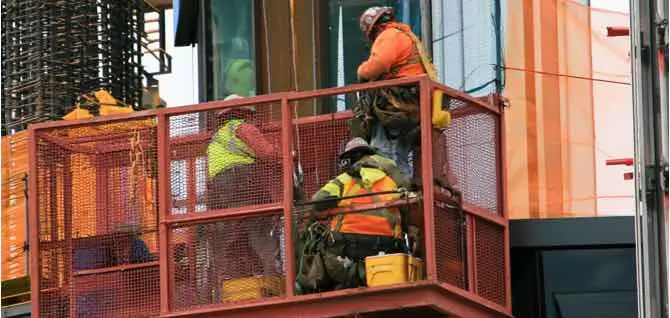
Claims involving scaffold collapses, unstable platforms, missing guardrails, inadequate fall protection, and falling materials. Learn more about New York scaffold accident claims.
Falls From Heights
Serious injuries involving ladders, roofs, scaffolds, floor openings, platforms, structural steel, and unprotected edges. Learn more about fall-from-height construction accidents.

Falling Object Injuries
Workers struck by tools, debris, equipment, building materials, hoisted loads, or other objects that were not properly secured.

Equipment Accidents
Claims involving cranes, forklifts, lifts, power tools, defective machinery, heavy equipment failures, and unsafe construction vehicles.

Unsafe Jobsite Conditions
Accidents involving debris, poor lighting, slippery surfaces, unsafe passageways, missing barriers, inadequate supervision, and Industrial Code violations.

Catastrophic Injuries
Traumatic brain injuries, spinal cord injuries, fractures, amputations, crush injuries, permanent disability, and fatal construction accidents.
What Evidence Can Strengthen a Queens Construction Accident Claim?
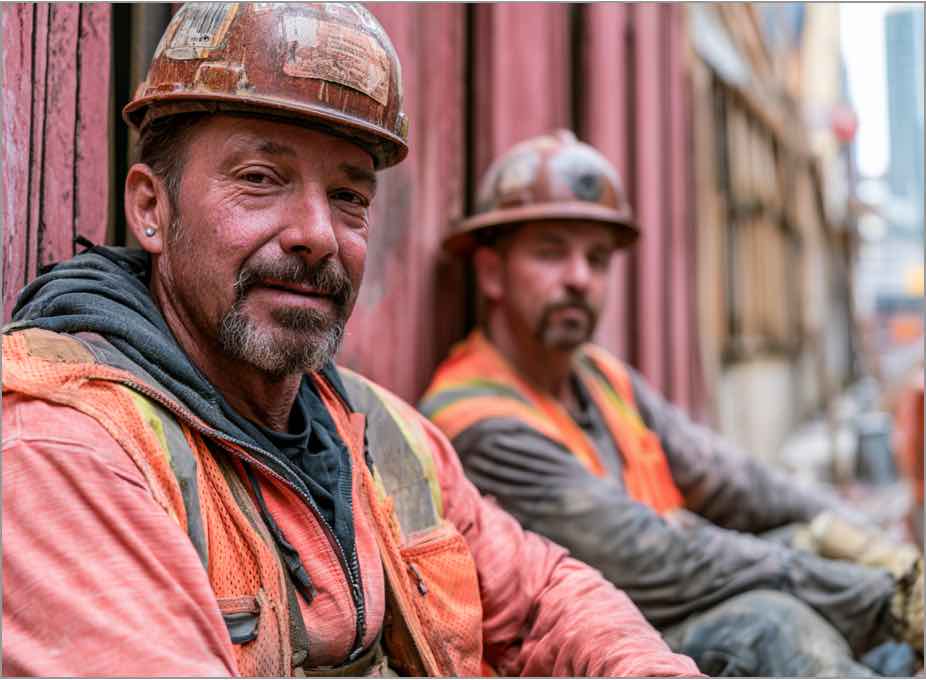
Construction sites can change quickly after an accident. Equipment may be moved, debris removed, unsafe conditions repaired, and witnesses assigned to other projects.
- Photographs and video of the accident scene
- Incident reports and witness information
- Site-safety plans, inspection logs, and daily reports
- Contracts identifying owners, contractors, and subcontractors
- Equipment inspection and maintenance records
- Medical records and wage documentation
Prompt investigation can help preserve evidence, identify all potentially responsible parties, and determine which Labor Law or negligence claims may apply.
What Compensation May Be Available?
A successful third-party construction accident claim may allow recovery for losses that workers’ compensation does not fully cover.
- Past and future medical expenses
- Lost wages and employment benefits
- Reduced future earning capacity
- Pain and suffering
- Rehabilitation and long-term care costs
- Permanent disability or disfigurement
- Loss of enjoyment of life
- Wrongful death damages in qualifying fatal cases
The value of a claim depends on liability, the severity of the injuries, future medical needs, lost earnings, available insurance, and the strength of the supporting evidence.
Do Not Wait After a Queens Construction Accident
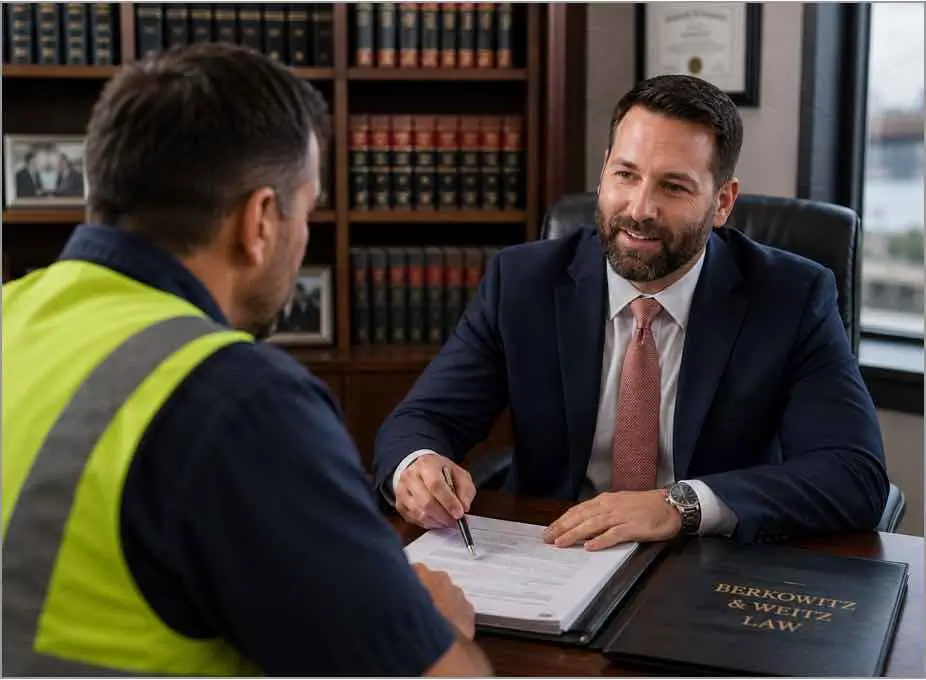
Jobsites change rapidly, and important evidence may disappear within days. Early legal review can help preserve records, identify witnesses, and determine which parties may be responsible.
Queens Construction Accident FAQs
Can I sue after a construction accident in Queens?
Potentially. Workers’ compensation may provide benefits through the employer, while a separate third-party claim may be available against an owner, contractor, construction manager, equipment company, or another responsible entity.
Does Labor Law §240 apply to Queens construction accidents?
It may. Labor Law §240 can apply to certain elevation-related accidents when an appropriate safety device was absent, inadequate, improperly placed, or failed. Not every construction fall automatically qualifies.
Can Labor Law §241(6) apply to a Queens construction accident?
Yes, when a specific and applicable Industrial Code regulation was violated and contributed to a construction, demolition, or excavation accident.
Can I receive workers’ compensation and still bring another claim?
Potentially. Workers’ compensation and a third-party personal injury claim are different forms of relief. A qualifying claim may be available against an owner, contractor, or another responsible third party.
How long do I have to file a claim?
Many personal injury claims are subject to a three-year limitation period, but shorter deadlines may apply when a government-related entity is involved. Workers’ compensation and insurance claims may have separate deadlines.
Speak With a Queens Construction Accident Lawyer Today
If you or a loved one was injured on a Queens construction site, contact Berkowitz & Weitz Law for a free case review.